
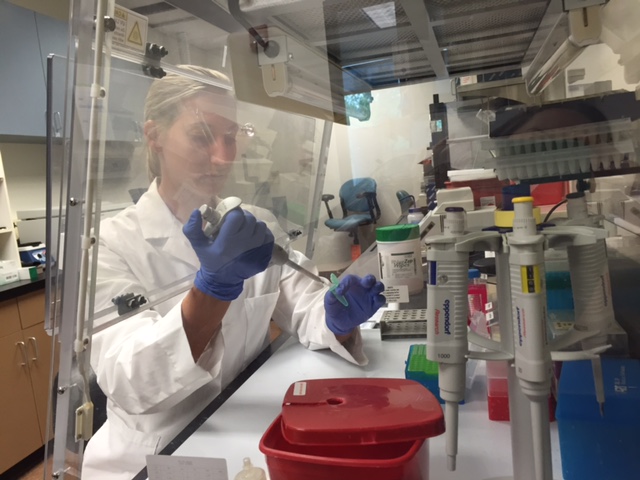
We’re living through a period of rapid change in our environment, and one of the most visible shifts is the increasing prevalence of tick-borne illnesses, specifically Lyme disease. As families become more aware of the long-term risks associated with Lyme, the conversation is shifting from simple repellents and tick removers to long-term medical solutions. Specifically, people are beginning to ask: When will we have a human vaccine?
The short answer is: not quite yet, but hopefully soon. While a vaccine called LYMERix was available in the late 1990s, it was pulled from the market over 20 years ago, leaving us with one less tool in our vaccination kits. However, we are closer to a solution than we have been in decades. With tick populations exploding and Lyme disease becoming a recognized global threat, the medical community is racing to catch up. For the first time in a generation, there’s a groundbreaking new vaccine on the horizon that could change how we protect our families.
A Vaccine on the Horizon
The most significant news in the fight against Lyme disease arrived earlier this year. In March 2026, pharmaceutical partners Pfizer and Valneva shared a major update: their new Lyme disease vaccine has successfully completed Phase 3 of its human clinical trials.
The trial results were a major milestone. This new vaccine candidate, currently known as LB6V (and previously as VLA15), demonstrated more than 70% efficacy in preventing Lyme disease in participants aged five and older.
“These results bring us a step closer to our goal of delivering a much-needed vaccine to help protect against Lyme disease….We are grateful to our partner Pfizer for their strong commitment which we both share in developing this vaccine as quickly as possible.”
What Does This Mean in Plain English?
Essentially, it means the clinical trials – which are real-world tests designed to see if a vaccine actually works – are advancing exceptionally well. To ensure the results were accurate, the vaccine was studied at sites with high infection rates across the United States, Canada, and Europe.
According to Pfizer, the reduction in infections during these trials is what experts call “clinically meaningful.” This means the drop in cases wasn’t just a statistical fluke; the vaccine is proving to be a highly effective shield. If approved, this would be the first Lyme vaccine available for humans in over two decades.
How It Works and When to Expect It
While the trial results are exciting, the question everyone wants answered is: When can I actually get it?
The exact date is still being determined. The timeline depends entirely on when Pfizer and Valneva submit their final data for review and how quickly the U.S. Food and Drug Administration (FDA) moves through the approval process. The companies have previously stated their hope to apply for their FDA licensing in the 2026 calendar year. Assuming this goes smoothly, we will hopefully see more concrete news about a public rollout!
How the LB6V Vaccine Works
In layman’s terms, this vaccine doesn’t just protect you – it actually prevents the tick from transmitting disease!
Most vaccines work by teaching your body to fight a virus once it enters your system. However, the LB6V vaccine uses a unique approach: it prevents the Lyme-causing bacteria (Borrelia burgdorferi) from ever leaving the tick in the first place. When a vaccinated person is bitten, the antibodies in their bloodstream are transmitted to the tick as it feeds. These antibodies interact with the bacterium, inhibiting their ability leave the tick and therefore to be transmitted to the human host.
Other Research: Lyme PrEP
While we wait for a traditional vaccine, other groundbreaking research is underway. The University of Massachusetts Medical School’s MassBiologics is developing a unique human treatment called Lyme PrEP. Their approach is a bit different – technically, it isn’t a vaccine at all.
Instead of triggering a person’s immune system to make many antibodies as vaccines do, this method delivers a single, targeted anti-Lyme antibody directly to the recipient. In theory, this antibody is transmitted to the tick as soon as it bites. It then kills the Lyme-causing bacteria while still in the tick, neutralizing the threat before it ever has a chance to enter your system.
“Our medicine is a transmission-blocking medicine, and it actually treats the tick and blocks the tick from depositing those bacteria in you by actually killing or immobilizing the bacteria in the gut of the tick,”
Mark Klempner, MD, professor of medicine and former executive vice chancellor for MassBiologics.
However, Lyme PrEP is still moving through the necessary series of clinical trials. As of March 2026, TNXP announced that Phase 1 trials have been successfully completed, with Phase 2 scheduled to begin in early 2027.
Why Did the First Lyme Vaccine Fail?
To understand why we’ve waited so long for a new solution, we have to look back at the first human Lyme vaccine: LYMERix. Approved by the FDA in 1998, it was hailed as a breakthrough. However, despite having an efficacy rate of as much as 76%, the vaccine didn’t stay on the shelf for long. By 2002, just four years after its debut, LYMERix was pulled from the market.
So, what went wrong? In this case, it wasn’t a failure of science, but rather a combination of factors. Some consumers reported troubling side effects, leading to high-profile class-action lawsuits and concerns that the vaccine might trigger autoimmune arthritis. While no clinical studies ever proved a causal link, the damage was done. With combined declining sales and poor public perception, the manufacturer decided to discontinue production.
In short, it is impractical, from a business perspective, to try and reintroduce the LYMERix vaccine.
The Lyme Vaccination For Animals
It’s not just humans who need protecting – did you know that some animals can also contract Lyme disease?
While there is no Lyme disease vaccine available for humans yet, there are multiple options already on the market for dogs. Although the Lyme vaccine is not classified as a “core” vaccination, it can be considered essential for some dogs, depending on their lifestyle. These vaccinations can generally be administered to puppies eight weeks and older, though you should always consult with your veterinarian first.
It is important to note that these vaccinations can carry a higher level of risk than other standard shots. Whether or not to vaccinate depends entirely on the individual dog and the level of risk posed by their specific location and outdoor activities.
Unfortunately, no Lyme vaccine has been made available for cats or other animals at this time. However, various preventative treatments are available, and you can discuss the best options for your pets with your veterinarian.
Protect Yourself by Knowing the Risks
Remaining informed about ticks and the diseases they carry is key to keeping yourself, your family, and your pets safe during tick season. Know which ticks are active in your region and understand the potential risks. Staying vigilant and prepared is the best way to enjoy the outdoors safely.
Don’t forget—TickCheck can help you identify any tick! If you’ve been bitten and aren’t sure what species it is, simply upload a high-quality, detailed photo and request a free tick identification. We’ll be able to tell you what you’re looking at. We’ll let you know exactly what you’re looking at. Once you receive your results, you can either research the potential risks yourself or call our customer service team at 1-866-713-TICK to get our opinion. We’re always happy to help!
Worried About a Recent Tick Bite?
If you’ve removed a tick and want peace of mind, TickCheck offers fast and reliable tick testing services. Simply send the tick to our lab, and we’ll identify the species and test it for Lyme disease and other common pathogens. Knowing whether a tick was carrying disease can help you and your doctor make informed decisions about next steps.