Posted on Leave a comment

What to Do After a Tick Bite: A Step-by-Step Guide

Finding a tick on yourself—or on your child, a loved one, or a pet—can be unsettling. As ticks become more common, even in areas where they were once rare, concerns about Lyme and other tick-borne diseases are growing.

The good news is that acting quickly can help reduce those risks. From proper removal to monitoring for early symptoms, taking the right steps right away can make a meaningful difference.


1.How Long Was the Tick Attached?

Many tick-borne illnesses—though not all—such as Lyme disease, typically require a tick to be attached for around 24 hours or more before transmission becomes likely. Because of this, the longer a tick has been feeding, the greater the overall risk of infection. Ticks can remain attached anywhere from a few days up to a week or more before they naturally detach.

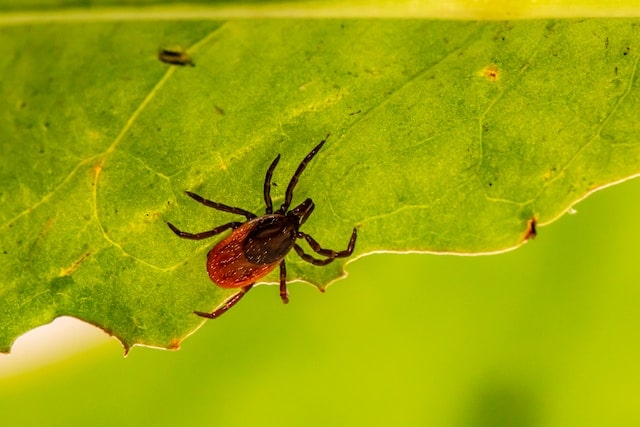
You can often get clues from the tick’s appearance. An engorged tick that has been feeding for some time will look larger, swollen, and more rounded. Its color may lighten, often appearing grayish or bluish, and its body will feel soft or squishy to the touch.

Ticks are most commonly picked up in areas with high populations of wildlife, or through contact with animals. Thinking through where you’ve been over the past few days, along with the tick’s level of engorgement, can help you make a reasonable estimate of when the bite may have occurred.

2. Safely Remove The Tick

Prevention is key to keeping the risk of tick-borne illness as low as possible. An important part of that is removing any ticks you find as quickly as possible—but just as important is doing so correctly.

Many common home removal methods actually do more harm than good. Improper techniques may leave the tick’s mouthparts embedded in the skin or, in some cases, cause the tick to disgorge into the bite area, increasing the risk of pathogen transmission.

Before you begin, make sure you’re prepared. Have a small plastic bag or container ready, along with a proper tick removal tool. TickCheck offers a range of tick removers, though fine-tipped household tweezers will also work. Avoid removing ticks with bare fingers.

To remove the tick:

  • Grasp the tick as close to the skin as possible using tweezers or a tick removal tool
  • Pull upward with steady, even pressure—do not twist, jerk, or squeeze the body
  • Place the tick into the plastic bag and seal it
  • Clean the bite area with an alcohol swab

3. Watch for Symptoms

After the tick has been removed, the next step is to stay alert for any symptoms that may develop in the days or weeks that follow. Reactions can vary widely in timing, and signs of illness may not appear immediately. It’s normal to see some mild redness, irritation, or swelling around the bite site. On its own, this is not usually a cause for concern.

It’s important to monitor the area over the next few weeks for signs of infection or illness. One common warning sign is a “bull’s-eye” or target-shaped rash, which is often the first indicator of Lyme disease. Any sort of rash or persistent pain or tenderness at the bite site should be evaluated by a medical professional.

Tick-borne illnesses can cause a wide range of symptoms that may seem unrelated at first. If you develop any unusual symptoms in the weeks after a bite—whether or not they seem connected—it’s important to mention the recent tick exposure to your healthcare provider.

Additional Ways to Assess Your Risk

If you’re especially concerned about tick-borne illness, there are a few additional steps you can take to better understand your level of risk. While none of these methods are completely definitive, they can be helpful tools in guiding your next steps and determining whether medical attention may be needed.

Perhaps most importantly, they can support early awareness if symptoms begin to develop. For this reason, it’s also a good idea to keep the tick after removal, as some of these approaches rely on having the tick available for reference or testing.

It’s important to be aware that each of these steps functions independently from one another. Tick testing is not a replacement for serological Lyme disease testing, or vice versa. In an ideal world, we at TickCheck would encourage readers to do everything on this list.

Identify the Tick Species

There are hundreds of tick species across North America, and each carries its own set of risks. Different species can harbor and transmit different bacteria, which means they are associated with different tick-borne illnesses. For example, the deer tick is the primary species known to transmit Lyme disease.

Identifying the tick can help you better understand which diseases you may have been exposed to and guide your next steps if any symptoms develop.

TickCheck offers free tick identification upon request:

  • Visit https://www.tickcheck.com/identify
  • Complete the form with your contact details and the location where the tick was found
  • Upload at least two clear photos, following the image guidelines provided
  • Receive your identification results within 1–2 business days

Test the Tick for Disease

Testing the tick itself can provide useful information about whether it carried disease-causing bacteria. Some states offer free, government-supported tick testing programs, so it’s worth checking what may be available in your area. If local options are not available, services like TickCheck provide nationwide tick testing within the United States.

To order testing through TickCheck:

  • Visit https://www.tickcheck.com/order
  • Enter your contact details and information about the tick
  • Select a testing panel (starting at $49.99)
  • Review optional add-ons such as a mailed lab report
  • Choose your payment method (credit/debit card or check/money order)
  • Submit your order
  • Mail in your tick following the included instructions

It’s important to note that a positive result in a tick does not mean infection has occurred—it only confirms exposure. If a tick tests positive for a pathogen, the next step is to contact a healthcare provider, share the report, and discuss any recent bite history and possible exposure.

Get Tested for Lyme

If you believe you may have been exposed, getting tested for Lyme disease may seem like a logical next step. Testing is widely available through most major laboratories. However, it’s important to understand that current testing methods have meaningful limitations.

TickCheck provides a hand-selected list of serological testing options via our partner, Ulta Lab Tests.

How Lyme testing works

The standard approach is a two-step process involving an ELISA test followed by a Western blot if results are positive. These tests do not detect the Lyme-causing bacteria (B. burgdorferi) directly. Instead, they look for antibodies your immune system produces in response to infection.

In most cases, if the the ELISA test results are negative, no further testing is recommended. The problem is that the ELISA test is only documented to be around 75–89% accurate, with false negatives almost half the time.

False negatives

False negatives are most common when testing is done too early. It takes time for the body to produce detectable levels of antibodies, about 2–3 weeks after infection. If the test is taken before this immune response develops, the result can be a false negative, even if infection is present.

False positives

False positives can also occur for a few reasons. One is the presence of “memory antibodies” from a past Lyme infection, which may remain in the body for years and trigger a positive result even without an active infection.

Another factor is cross-reactivity. The Western blot test measures reactions to specific proteins associated with Lyme bacteria, but other infections can produce similar proteins, potentially leading to misleading results.

The limitations of testing

Because of these challenges, serological testing should not be used as the sole basis for diagnosis or treatment decisions. Clinical factors—such as symptoms, geographic location, tick exposure risk, and tick identification—should all be considered alongside test results.


Protect Yourself by Knowing the Risks

Remaining informed about ticks and the diseases they carry is key to keeping yourself, your family, and your pets safe during tick season. Know which ticks are active in your region and understand the potential risks. Staying vigilant and prepared is the best way to enjoy the outdoors safely.

Don’t forget—TickCheck can help you identify any tick! If you’ve been bitten and aren’t sure what species it is, simply upload a high-quality, detailed photo and request a free tick identification. We’ll be able to tell you what you’re looking at. We’ll let you know exactly what you’re looking at. Once you receive your results, you can either research the potential risks yourself or call our customer service team at 1-866-713-TICK to get our opinion. We’re always happy to help!


Worried About a Recent Tick Bite?

If you’ve removed a tick and want peace of mind, TickCheck offers fast and reliable tick testing services. Simply send the tick to our lab, and we’ll identify the species and test it for Lyme disease and other common pathogens. Knowing whether a tick was carrying disease can help you and your doctor make informed decisions about next steps.


Posted on Leave a comment

Which Ticks Carry Lyme and Other Diseases?

Ticks are a common concern for people and pets across the United States, but not all ticks pose the same risks. With hundreds of species in North America, many feed exclusively on wildlife or thrive in very specific habitats, meaning most are rarely encountered by humans. However, some species are widespread and commonly come into contact with people and pets in everyday outdoor spaces.

The ticks that most commonly affect humans include deer ticks, American dog ticks, lone star ticks, brown dog ticks, and Western blacklegged ticks. While these ticks share similar life cycles and environmental preferences, each carries its own set of potential pathogens and is found in distinct regions of the country.

For each tick species, you can see full details—including feeding habits, physical characteristics, and U.S. distribution maps—by clicking the “Learn More” button next to its section.


Deer Tick (Blacklegged Tick) – Ixodes scapularis

Deer ticks can be found in every U.S. state except Hawaii, but they’re most common along the eastern U.S. coast from Florida to Maine and in the Great Lakes region.

Nymphs and adult females pose the greatest risk to humans, with nymphs causing more Lyme cases due to their small size.

Diseases carried:

  • Lyme disease
  • babesiosis
  • bartonellosis
  • anaplasmosis
  • B. miyamotoi

Western Blacklegged Tick (Ixodes pacificus)

Western blacklegged ticks are found along the U.S. west coast, most commonly in coastal California, Oregon, and Washington.

Juvenile western blacklegged ticks feed on birds, small rodents, and even lizards, while adults prefer deer and other large mammals such as humans.

Diseases carried:

  • Lyme disease
  • anaplasmosis

Lone Star Tick (Amblyomma americanum)

Once mostly confined to the southern U.S., lone star ticks have been spreading north and now inhabit much of the eastern United States—from Texas and Iowa to the Atlantic coast—even reaching as far north as Maine. They remain most common in southern regions.

Lone star ticks are considered one of the most aggressive tick species

Diseases carried:

  • Ehrlichiosis
  • Tularemia
  • Southern Tick-Associated Rash Illness (STARI, caused by Borrelia lonstari)
  • Alpha-Gal Syndrome (meat allergy)

Brown Dog Tick (Rhipicephalus sanguineus)

Brown dog ticks are found throughout the entire United States, though they are most common in warmer southern regions.

These ticks pose a significant disease risk to dogs, carrying bacteria that can cause illnesses such as canine ehrlichiosis and babesiosis.

Diseases carried:

  • Rocky Mountain spotted fever
  • Ehrlichiosis (possible)
  • Canine ehrlichiosis (Ehrlichia canis)
  • Canine babesiosis (Babesia canis)

American Dog Tick (Dermacentor variabilis)

American dog ticks are found throughout areas east of the Rocky Mountains and along a small section of the west coast. They typically inhabit woods, brush, and tall grasses.

Larvae and nymphs feed on small mammals such as rodents, while adults prefer larger mammals.

Diseases carried:

  • Rocky Mountain spotted fever (RMSF)
  • Tularemia

Protect Yourself by Knowing the Risks

Remaining informed about ticks and the diseases they carry is key to keeping yourself, your family, and your pets safe during tick season. Know which ticks are active in your region and understand the potential risks. Staying vigilant and prepared is the best way to enjoy the outdoors safely.

Don’t forget—TickCheck can help you identify any tick! If you’ve been bitten and aren’t sure what species it is, simply upload a high-quality, detailed photo and request a free tick identification. We’ll be able to tell you what you’re looking at. We’ll let you know exactly what you’re looking at. Once you receive your results, you can either research the potential risks yourself or call our customer service team at 1-866-713-TICK to get our opinion. We’re always happy to help!


Worried About a Recent Tick Bite?

If you’ve removed a tick and want peace of mind, TickCheck offers fast and reliable tick testing services. Simply send the tick to our lab, and we’ll identify the species and test it for Lyme disease and other common pathogens. Knowing whether a tick was carrying disease can help you and your doctor make informed decisions about next steps.

Posted on Leave a comment

When Are Ticks Most Active?

Warm temperatures and humidity create ideal conditions for ticks, which is why spring and summer are peak seasons in most parts of the United States. When temperatures rise early in the year, ticks become active, thriving in wooded or grassy areas where they use vegetation to “quest” for and latch onto passing animals or people. During this time, both people and pets are at a higher risk of tick bites, as increased tick activity coincides with more outdoor activity.

Generally, tick activity peaks between March and September in most U.S. regions,but encounters with ticks- and the diseases they carry– can still occur outside of this period.

Why Cold Weather Doesn’t Mean Zero Risk

Many people assume ticks are only a warm-weather concern, but that’s not necessarily the case. In milder climates, the fall months (September through November) can still see significant tick activity. In many areas especially where deer ticks are common) , a second peak occurs before activity gradually declines as winter sets in.

It’s important to remember that cold weather doesn’t actually kill ticks. Lower temperatures and harsh winter conditions simply makes them less active and prompts them to shroud under leaf litter or snow. While ticks generally remain dormant until the weather warms again, on milder winter days without snow cover, it’s still possible to encounter an active tick.

Can Ticks Be Active Year-Round?

If conditions that trigger dormancy don’t occur, ticks can remain active throughout the year. This is most common in warmer regions with mild winters, such as parts of the southern United States.

The timing of tick dormancy is highly weather-dependent and varies from year to year. If temperatures don’t drop below freezing until later, or if warm spring weather arrives early, ticks may enter or exit dormancy sooner than usual.

Protecting Yourself from Ticks Year-Round

Preventing tick bites requires consistent care throughout most of the year. Anytime you enter a tick’s natural habitat — whether gardening, hiking, or walking your dog — it’s important to take precautions:

  • Keep your lawn well-trimmed and remove leaf litter to make your yard less inviting to ticks.
  • Check yourself, your children, and your pets for ticks after spending time in grassy or wooded areas.
  • If you find an attached tick, remove it promptly with fine-tipped tweezers or a tick removal tool, and clean the bite area thoroughly.

Worried About a Recent Tick Bite?

If you’ve removed a tick and want peace of mind, TickCheck offers fast and reliable tick testing services. Simply send the tick to our lab, and we’ll identify the species and test it for Lyme disease and other common pathogens. Knowing whether a tick was carrying disease can help you and your doctor make informed decisions about next steps.

Posted on Leave a comment

Understanding Lyme Disease: Symptoms, Testing, and Treatment

How Do I Know If I Have Lyme Disease?

Lyme disease can affect many parts of the body, including the joints, heart, and brain. It becomes harder to treat the longer it goes undetected, and symptoms can vary. It’s important to remember that not every tick bite leads to Lyme disease. Only deer ticks and western blacklegged ticks carry Borrelia burgdorferi, the bacteria that causes it. The risk of infection increases the longer an infected tick remains attached.

Early Signs & Symptoms of Lyme Disease

The incubation period for Lyme disease—the time between infection and the first symptoms—ranges from 3 to 30 days. Early signs can vary, but there are several classic symptoms to watch for.

The most recognizable is the erythema migrans or “bull’s-eye” rash, which often expands from the tick bite and may appear elsewhere on the body. This rash develops in about 80% of infected people within the first month.

Other early symptoms can resemble the flu, such as headache, body aches, fever, and fatigue. Because Lyme affects everyone differently, some may experience mild symptoms while others develop more severe ones. According to the CDC, common early symptoms include:

  • Joint pain and swelling
  • Increasing headaches
  • Bell’s palsy (muscle weakness in the face)
  • Heart palpitations
  • Sleep disturbances

If you have ongoing symptoms or concerns, it’s best to consult your healthcare provider.


Lyme Disease Testing

Serology testing is usually the first step your healthcare provider will take when diagnosing Lyme disease. This blood test looks for antibodies—proteins your body produces in response to infection. The CDC recommends a two-tier testing process, meaning both tests must be positive to confirm a Lyme diagnosis.

It’s important to note that testing has its limitations. If the test is done too soon—within the first 2–3 weeks of infection—it may return a false negative, since antibodies take time to develop. On the other hand, false positives can occur when antibodies from other infections react with Lyme test markers.

Finally, a positive result doesn’t always mean there’s an active infection. The test detects antibodies, not the Borrelia burgdorferi bacteria itself, and these antibodies can remain in your system for years after the initial infection.

You can read more about serology testing for Lyme disease here.

Tick Testing as a Diagnostic Tool

Another way to support a Lyme disease diagnosis is by testing the tick itself. If you’ve been bitten, the tick can be tested for the bacteria that cause Lyme disease. While tick testing isn’t a replacement for blood tests, it serves as an additional public health resource. A positive result can help you and your healthcare provider act quickly if you suspect exposure and need treatment.

Learn more about tick testing here.


Getting Treatment for Lyme

If you suspect you have Lyme disease, contact your healthcare provider right away. Be prepared to share any test results you have, along with details about when / where you were bitten and any symptoms you may have noticed.

Can I Get a Diagnosis Without Testing?

Yes, in some states, it is possible to receive antibiotic treatment for Lyme disease as a preventative measure, without a positive test. In other areas, a confirmed blood test may be required before treatment can begin. Because of the limitations of serological testing, test results should ideally support—but not solely determine—a diagnosis or treatment plan. Many factors besides the testing should be taken into consideration first, including:

  • Location: Some regions have higher rates of Lyme and other tick-borne illnesses.
  • Comorbidities: Patients with multiple health conditions may face greater risks if infected.
  • Age: The very young and elderly are more likely to experience severe symptoms.
  • Tick type: Only deer ticks and western blacklegged ticks carry the Lyme bacteria. Transmission typically requires the tick to be attached for approximately 18–24 hours.

The CDC’s Recommended Treatment Options

Adults:

  • Doxycycline 100 mg, twice daily
  • Cefuroxime axetil 500 mg, twice daily
  • Amoxicillin 500 mg, three times daily
    Duration: 10–21 days

Children:

  • Doxycycline 4 mg/kg, divided into two daily doses
  • Cefuroxime axetil 30 mg/kg, divided into two daily doses
  • Amoxicillin 50 mg/kg, divided into three daily doses
    Duration: 10–21 days

With prompt antibiotic treatment, most tick-borne diseases can be completely cured – in some cases, even before symptoms appear.


Worried About a Recent Tick Bite?

If you’ve removed a tick and want peace of mind, TickCheck offers fast and reliable tick testing services. Simply send the tick to our lab, and we’ll identify the species and test it for Lyme disease and other common pathogens. Knowing whether a tick was carrying disease can help you and your doctor make informed decisions about next steps.


Posted on Leave a comment

Keeping Kids Safe From Ticks: A Step By Step Guide

tick safe yard

Every parent wants their kids to spend time outside- it’s one of the healthiest and most rewarding parts of childhood. But outdoor play does come with risks, including exposure to ticks. These tiny parasites can carry Lyme disease and other illnesses that no parent wants their child to face.

The good news is that you don’t have to keep your kids indoors to keep them safe. With a few simple precautions, you can let them enjoy the outdoors while greatly reducing the risk of tick bites and tick-borne diseases.


1. Dress for Tick Safety

Clothing is one of the easiest and most effective defenses against ticks. Covering up reduces the amount of exposed skin where ticks can bite, and choosing light-colored fabrics makes it easier to spot ticks before they attach.

  • Long sleeved tops
  • Long pants
  • Long socks with the pant leg tucked into them
  • Close-toed shoes

2. Stick to Safe Play Zones

Ticks thrive in shady, humid environments, so be sure to avoid tall grass, brush, and wooded edges. A few simple choices about where to play can greatly reduce the chances of picking up a tick.

  • Encourage play in mowed lawns, playgrounds, or open areas
  • Keep kids out of leaf piles and brushy patches.
  • Make sure they use established trails instead of running through tall grass

3. Keep the Yard Tick-Safe

Don’t let your yard become a paradise for ticks! Regular lawn care and a few simple changes to your outdoor space can go a long way in keeping ticks at bay.

  • Mow your grass regularly
  • Clear away lawn debris like leaf litter, brush, and weeds
  • Move play equipment and outdoor furniture to sunny, open areas
  • Stack woodpiles away from play areas
  • Create a wood chip or gravel barrier between your lawn and wooded areas

Want more ideas? Check out our full guide.

4. Do Daily Tick Checks

Even with precautions, kids can still pick up ticks while playing outside. Ticks must usually be attached for 18–24 hours before they can transmit Lyme disease, so catching them early makes all the difference. Make tick checks a daily routine- after outdoor play, bath time, or before bed. For younger children, parents should do the checks; older kids can be taught how to check themselves.

Ticks prefer warm, hidden spots on the body. Be sure to check the whole body carefully, especially:

  • Scalp & hairline
  • In the hair
  • Behind and around the ears
  • Armpits
  • Behind knees
  • Under the waistband
  • Between the legs

Don’t forget about your pets- dogs and cats can also bring ticks indoors, so checking them regularly is just as important. They can also catch Lyme disease too!


5. Be Prepared With the Right Tools

If you find a tick on your child, don’t panic. The key is removing it quickly and safely. Don’t burn the tick, remove it with your fingers, or cover the tick with Vaseline or nail polish remover. This can increase the likelihood of Lyme disease transmission.

While a good tick remover tool is never a bad idea, a standard pair of bathroom tweezers will work just fine to remove most ticks:

  • Grasp the tick as close as possible to the mouthparts, where it is attached to the skin
  • Pull straight out with even, firm pressure- don’t twist or jerk
  • Safely dispose of the tick (flush, submerge in alcohol, place in sealed container, etc)
  • Clean the bite site with soap and water or and alcohol swab

If the tick’s head or mouthparts break off and remain in the skin, don’t panic. These parts cannot transmit disease, and in most cases the body will naturally push them out over time, much like a splinter. Afterward, keep an eye out for symptoms of Lyme disease or other tick borne illnesses over the next few weeks.


Final Thoughts

Ticks are a reality of outdoor life, but they don’t have to stop your kids from exploring and having fun. By dressing smart, sticking to safe play areas, and checking daily for ticks, you can greatly reduce the risk of tick-borne diseases.


Worried About a Recent Tick Bite?

If you’ve removed a tick and want peace of mind, TickCheck offers fast and reliable tick testing services. Simply send the tick to our lab, and we’ll identify the species and test it for Lyme disease and other common pathogens. Knowing whether a tick was carrying disease can help you and your doctor make informed decisions about next steps.

Posted on Leave a comment

Lyme Disease and Wildlife: How Ticks Spread Through Nature

white footed mice spread lyme disease

Lyme disease is the most common tick-borne illness in the United States, and awareness of it has grown steadily over the past few decades. Most people now recognize Lyme as a serious concern, but fewer realize just how quickly it is spreading. Once primarily found in the Northeast, Lyme cases are now being reported across much of the Midwest, mid-Atlantic, and is even spreading into parts of the southern and western United States. As the disease spreads, staying informed and prepared becomes more important than ever.

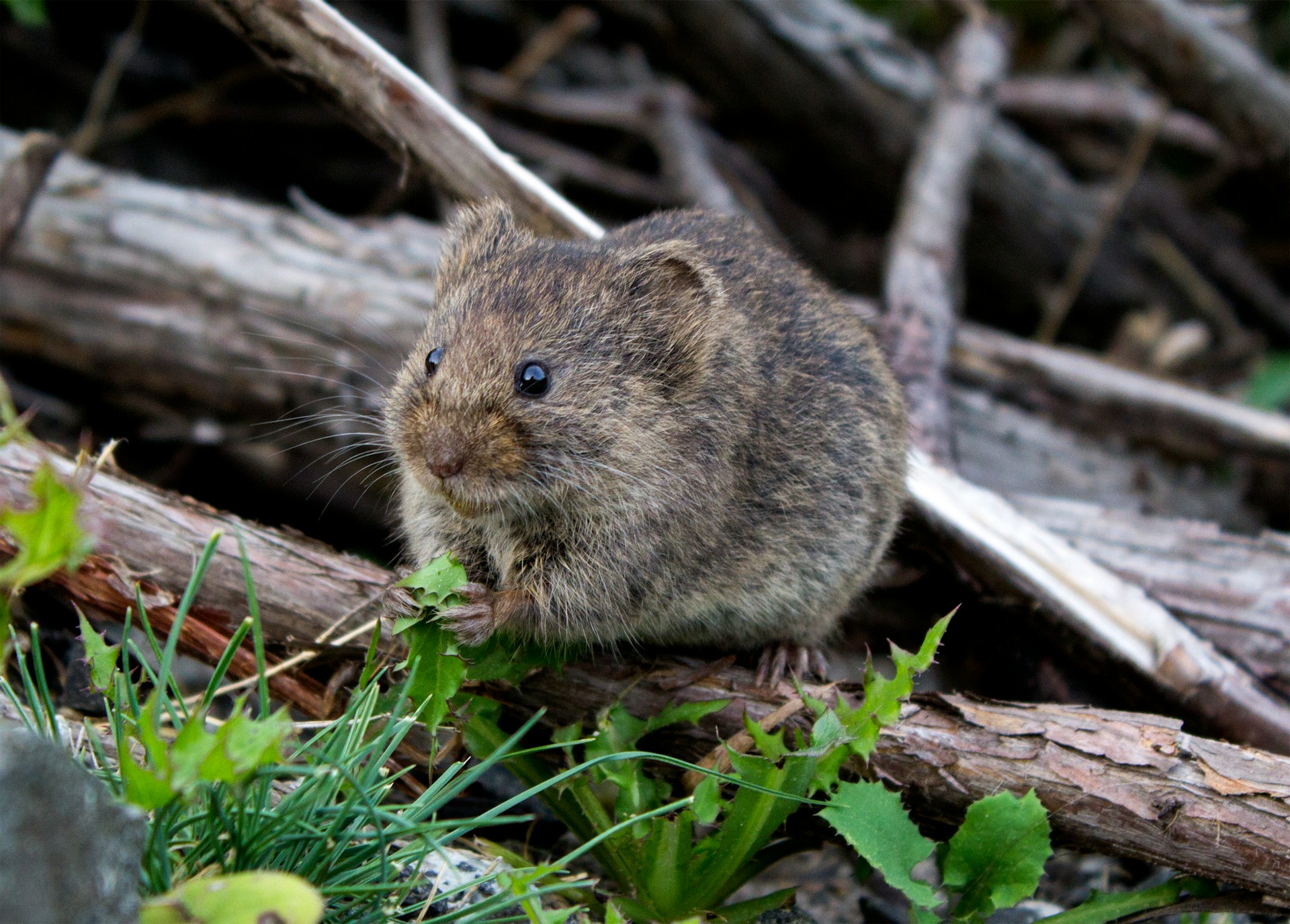
But how exactly does Lyme disease move from wildlife into people? Ticks don’t start out infected. Instead, they acquire the bacteria that causes Lyme disease—Borrelia burgdorferi—by feeding on an infected animal host, such as a mouse. Once acquired by the tick, the bacteria can be transmitted to humans or pets during a later bite, turning a simple tick encounter into a potential health risk.


Which Ticks Spread Lyme Disease?

Blacklegged tick / deer tick size comparison

Not every tick’s bite can spread Lyme disease. In the United States, only the blacklegged tick (also called the deer tick) is able to pass on Lyme. Other tick species can still make you sick, but with different illnesses—such as Rocky Mountain spotted fever or ehrlichiosis.

Recent analysis of the results of TickCheck’s tick testing concludes that of 2,000+ specimens, 30% of blacklegged ticks tested carried the Lyme bacteria. It’s important to remember, however, that not every bite by an infected tick will result in transmission of Lyme to the host. These ticks must typically be attached for 18-24 hours before transmission can occur.

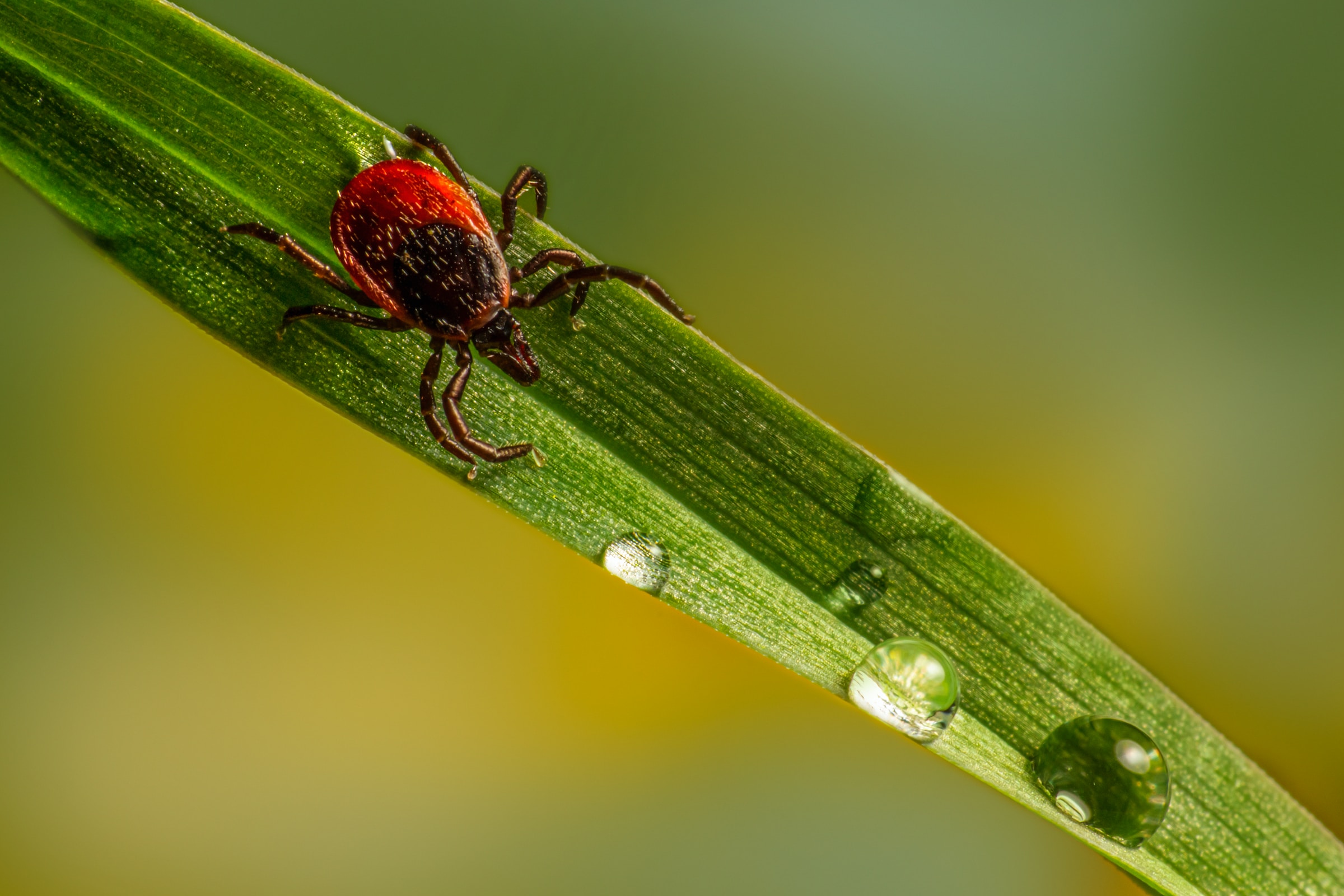
Blacklegged ticks can be hard to spot. Unfed ticks are small, flat, and dark in color. As they feed, they swell in size, becoming rounder and more swollen. An engorged tick may also lighten in color.


Wildlife and the Spread of Lyme Disease

Ticks feed on more than 300 different animals- everything from deer and cattle to chipmunks and even birds. Of these animals however, only some are capable of carrying and transmitting Lyme to a feeding tick: mice, chipmunks, birds and shrews.

Juvenile ticks feeding from white-footed mice are especially likely to become infected, making these small mammals key players in Lyme’s spread. Once a tick acquires the bacteria, it can transmit it during future feedings.

Deer, while not sources of Lyme bacteria themselves, play a different role. They are the preferred host for adult blacklegged ticks (hence the nickname ‘deer tick’), and by carrying them into forests, fields, and even backyards, they help expand where ticks can be found.


Protecting Yourself and Your Family

If you live in an area where deer, mice, or other wildlife are common, there’s a good chance ticks are present as well. Prevention is the best protection- here are a few simple steps you can take:

  • Be cautious in tick-prone areas: tall grass, brush, wooded trails, and edges where lawns meet the woods.
  • Check yourself, your kids, and your pets after spending time outdoors.
  • Act quickly if you find a tick. Remember, it usually takes 18–24 hours for Lyme transmission to occur, so removing a tick promptly and properly is the best defense.
  • Use safe removal tools. Carrying a dedicated tick remover ensures you can take ticks off quickly and completely.

By understanding the role wildlife plays in Lyme disease and practicing prevention, you can reduce your risk and stay safer outdoors.


Worried About a Recent Tick Bite?

If you’ve removed a tick and want peace of mind, TickCheck offers fast and reliable tick testing services. Simply send the tick to our lab, and we’ll identify the species and test it for Lyme disease and other common pathogens. Knowing whether a tick was carrying disease can help you and your doctor make informed decisions about next steps.

Posted on Leave a comment

Tick Removal: What NOT to Do

Good Tick Remover Tools Matter

When it comes to ticks, speed is important- but using the right tool, and using it correctly, is just as critical. A good tick remover is designed to safely extract the tick without leaving parts behind or unduly stressing the tick – all of which can increase your risk of infection with Lyme or other tick-borne diseases.

Unfortunately, outdated advice and home remedies still circulate widely. Here’s what not to do when removing a tick, and why the right tool (even a pair of bathroom tweezers- makes all the difference.


❌ Don’t Smother It

One of the most common myths is that you should smother a tick with substances like petroleum jelly, essential oils, nail polish, or rubbing alcohol to make it “back out” on its own.

Why it’s a problem:
While this method may cause the tick to release, these substances can stress the tick and cause it to regurgitate saliva and/or stomach contents into the bite site. If the tick is carrying the pathogens that cause Lyme or other diseases, this increases the chance that the pathogen may be transmitted.


❌ Don’t Burn It

Another old trick: burning the tick off with a hot match or lighter. It sounds quick and decisive, but it’s neither safe nor effective.

Why it’s a problem:
This method can lead to burns, fire hazards, and more stress on the tick- again, increasing the risk of it regurgitating into the wound. Even if the tick dies, it won’t necessarily detach on its own, and the result may simply be a scorched, embedded tick.


❌ Don’t Twist It

A common method of tick removal includes twisting the tick, to encourage the barbs on the mouth-parts to release.

Why it’s a problem:
Twisting can apply to much pressure to the tick’s mouthparts, causing them to break off and remain embedded in the skin. Not only is this irritating, but it also raises the risk of local infection.


❌ Don’t Use Your Fingers

When you spot a tick, it’s tempting to grab it and pull. But using your fingers is one of the least safe ways to remove a tick.

Why it’s a problem:
You’re likely to squeeze the tick’s body, which can force the tick regurgitate into your bloodstream. Plus, it’s harder to remove the tick cleanly, increasing the chances of leaving parts behind.


The Right Approach Starts with Avoiding the Wrong Ones

Removing a tick may seem simple, but small mistakes can have serious consequences. Ticks are becoming more and more common in North America, and as the tick population swells, so too does the chance of infection with Tick-borne disease. The best way to protect yourself is to stay informed:

  • Avoid unsafe removal methods
  • Use tools like fine-tipped tweezers or a tick removal tool
  • Remove the tick steadily and carefully, without twisting or squeezing
  • Clean the area afterward and monitor for symptoms

A few seconds of proper technique can make all the difference.

Posted on Leave a comment

Where to Buy TickCheck Tick Removers

Whether you’re heading outdoors or preparing for peak tick season, it’s important to have the right tools on hand. TickCheck Tick Removers are designed for safe, easy tick removal—for both people and pets—and are available in a variety of convenient places, both online and in-store.

🛒 Available Online

You can order directly from our website at shop.TickCheck.com for fast shipping straight from our warehouse. We also offer our full line of tick remover tools and kits through major retailers:

🏬 Available In Stores

TickCheck Tick Removers are also available at select local retailers throughout the U.S. If you don’t see them in a store near you, let your favorite shop know you’re looking—we’re always working to expand our reach. And in the meantime, we’re just a few clicks away online.

Posted on Leave a comment

Get TickCheck Tick Removers Wholesale on Faire.com

If you own a retail store, clinic, or outdoor gear shop and are looking to stock reliable tick removal tools, we’ve made it even easier to place wholesale orders. TickCheck Tick Removers are now available on Faire.com—the leading online wholesale marketplace for independent retailers.

Why Buy on Faire?

Ordering through Faire gives you great benefits:

  • $100 credit for new retailers (via Faire)
  • Free shipping for your first order
  • Net 60 payment terms
  • Easy access to order our full product line

Designed for Retail

All TickCheck products are packaged for resale, with easy-to-read instructions and eye-catching branding. Whether you’re stocking up for peak tick season or adding an all-season impulse buy to your register area, we’ve got you covered.

Join Dozens of Retailers Across the U.S.

TickCheck Tick Removers are already carried in pet supply stores, veterinary offices, pharmacies, outdoor retailers, and more nationwide. We’d love to work with you, too.

Ready to order? Shop our wholesale page on Faire to get started.

Don’t Want To Use Faire?

Feel free to reach out for more information.